Meta Description: Wormholes are hypothetical structures that could potentially allow for faster-than-light travel. This article explores the science behind wormholes, their potential uses, and the current state of research on this fascinating phenomenon.
Introduction:
Wormholes are a concept that has captured the imagination of scientists and science fiction writers alike for decades. They are hypothetical structures that, if they exist, could potentially allow for faster-than-light travel and even time travel. In this article, we will explore what wormholes are, how they work, and their potential uses.
What Are Wormholes?
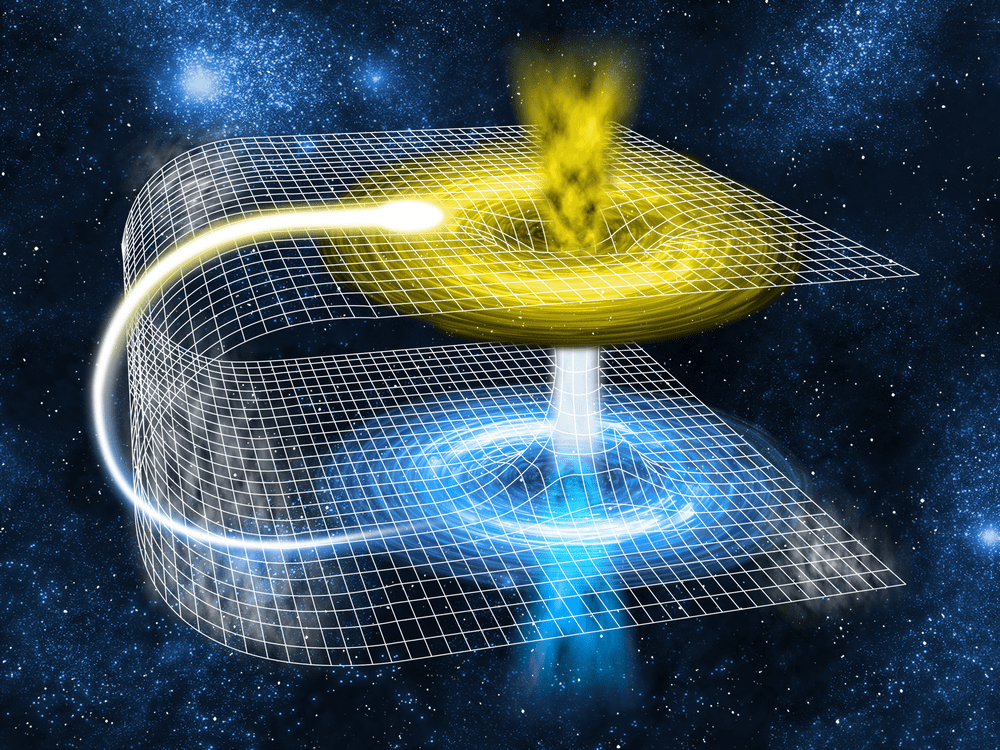
A wormhole, also known as an Einstein-Rosen bridge, is a hypothetical structure that connects two points in space-time. It is called a “wormhole” because it looks like a tunnel or a wormhole in space-time. In theory, a wormhole would allow for faster-than-light travel by creating a shortcut between two points in space-time.
How Do Wormholes Work?
Wormholes are based on the theory of general relativity, which describes the relationship between space, time, and gravity. According to this theory, massive objects like planets and stars create curves in space-time, and these curves affect the way objects move. Wormholes are created by connecting two of these curves in space-time, creating a shortcut between two points.
There are two types of wormholes: traversable and non-traversable. Traversable wormholes are those that can be used for faster-than-light travel. Non-traversable wormholes are those that exist but cannot be used for travel because they are too small or unstable.
Potential Uses of Wormholes
If wormholes exist and can be traversed, they could have many potential uses. For example, they could be used to travel vast distances in space in a much shorter time than it would take with conventional spacecraft. They could also be used to explore the past or the future by traveling through time.
Research on Wormholes
Although the concept of wormholes has been around for decades, there is currently no direct evidence that they exist. Scientists are still researching the physics behind wormholes and trying to find ways to detect them. Some of the challenges in detecting wormholes include their small size, their instability, and the fact that they may be located in areas of space that are difficult to access.
Wormholes are a fascinating concept that has captured the imagination of scientists and science fiction writers alike. Although there is currently no direct evidence that they exist, the physics behind wormholes is still being researched. If wormholes do exist and can be traversed, they could potentially revolutionize space travel and even allow us to explore the past or the future.
Wormholes: Exploring the Science Behind These Fascinating Structures
Meta Description: Wormholes are a theoretical phenomenon that could allow for faster-than-light travel and time travel. This article delves into the science behind wormholes, their potential uses, and the challenges of detecting them.
Introduction:
Wormholes are a theoretical concept that have long captured the attention of physicists and science fiction enthusiasts. These structures, which are also known as Einstein-Rosen bridges, could potentially allow for faster-than-light travel and even time travel. In this article, we will explore the science behind wormholes, their potential uses, and the challenges scientists face in detecting them.
The Science Behind Wormholes:
Wormholes are based on the principles of general relativity, which describes the relationship between space, time, and gravity. According to this theory, massive objects like stars and planets create distortions in space-time, and these distortions affect the motion of objects in their vicinity. Wormholes are created by connecting two of these distortions in space-time, creating a shortcut or “bridge” between two points.
Traversable vs. Non-Traversable Wormholes:
There are two types of wormholes: traversable and non-traversable. Traversable wormholes are those that could potentially be used for faster-than-light travel or time travel. Non-traversable wormholes, on the other hand, exist but are too small or unstable to be used for travel.
Potential Uses of Wormholes:
If traversable wormholes exist, they could have a range of potential uses. For example, they could be used for faster-than-light travel, allowing spacecraft to reach distant planets and galaxies in a fraction of the time it would take with conventional travel methods. They could also allow for time travel, potentially enabling humans to visit the past or the future.
Challenges of Detecting Wormholes:
Despite the theoretical possibility of wormholes, there is currently no direct evidence that they exist. Detecting wormholes is challenging for a number of reasons. They are thought to be incredibly small, making them difficult to observe, and they may be located in areas of space that are difficult to access. In addition, they are inherently unstable and short-lived, meaning that any attempt to create or observe a wormhole would need to be done very quickly.
Conclusion:
Wormholes are a fascinating concept that could revolutionize our understanding of space and time if they are proven to exist. While there is currently no direct evidence of their existence, scientists continue to research the physics behind wormholes and explore potential ways of detecting them. As our understanding of the universe continues to grow, the possibility of wormholes becomes even more intriguing, opening up new avenues of exploration and discovery.
Wormholes: A Journey Through Space and Time
Meta Description: Wormholes are a theoretical phenomenon that could allow for faster-than-light travel and time travel. This article takes a deeper dive into the science behind wormholes, their potential uses, and the implications they could have for the future of space exploration.
Introduction:
Wormholes are one of the most intriguing concepts in physics, offering the possibility of traveling vast distances in space and time. These hypothetical structures, also known as Einstein-Rosen bridges, could potentially allow for faster-than-light travel and even time travel. In this article, we will delve into the science behind wormholes, their potential uses, and the implications they could have for the future of space exploration.
The Science Behind Wormholes:
Wormholes are based on the theory of general relativity, which describes the relationship between space, time, and gravity. According to this theory, massive objects create distortions in space-time, and these distortions affect the motion of objects around them. Wormholes are created by connecting two of these distortions, forming a bridge or “tunnel” between two points in space-time.
Traversable vs. Non-Traversable Wormholes:
Traversable wormholes are those that could potentially be used for faster-than-light travel or time travel. Non-traversable wormholes, on the other hand, exist but are too small or unstable to be used for travel. Traversable wormholes would require the use of exotic matter, which has negative energy density, to keep them stable.
Potential Uses of Wormholes:
If traversable wormholes exist, they could have a range of potential uses. For example, they could be used for interstellar travel, allowing spacecraft to travel vast distances in space in a much shorter time than it would take with conventional travel methods. They could also be used for time travel, allowing humans to visit the past or the future.
Implications for Space Exploration:
Wormholes have the potential to revolutionize space exploration, allowing humans to travel to distant galaxies and potentially even explore parallel universes. However, the challenges of creating and stabilizing traversable wormholes are significant. The exotic matter required to stabilize a wormhole has yet to be discovered, and even if it were, the energy requirements for creating and maintaining a wormhole would be immense.
Wormholes are a fascinating concept that offer the possibility of traveling vast distances in space and time. While there is currently no direct evidence of their existence, scientists continue to explore the physics behind wormholes and the potential implications they could have for space exploration. As our understanding of the universe grows, the possibility of wormholes becomes even more intriguing, opening up new avenues of exploration and discovery.
Wormholes: The Key to Unlocking the Secrets of the Universe
Meta Description: Wormholes are a theoretical concept that could allow for faster-than-light travel and time travel. This article explores the science behind wormholes, the potential implications they could have for our understanding of the universe, and the challenges of detecting them.
Wormholes are one of the most fascinating and mysterious phenomena in physics. These theoretical structures, also known as Einstein-Rosen bridges, could potentially allow for faster-than-light travel and even time travel. In this article, we will explore the science behind wormholes, the potential implications they could have for our understanding of the universe, and the challenges scientists face in detecting them.
The Science Behind Wormholes:
Wormholes are based on the theory of general relativity, which describes the relationship between space, time, and gravity. According to this theory, massive objects create distortions in space-time, and these distortions affect the motion of objects around them. Wormholes are created by connecting two of these distortions, forming a shortcut or “bridge” between two points in space-time.
Traversable vs. Non-Traversable Wormholes:
Traversable wormholes are those that could potentially be used for faster-than-light travel or time travel. Non-traversable wormholes, on the other hand, exist but are too small or unstable to be used for travel. Traversable wormholes would require the use of exotic matter with negative energy density to keep them stable.
Potential Implications for Our Understanding of the Universe:
Wormholes have the potential to revolutionize our understanding of the universe, providing insights into the nature of space, time, and gravity. They could allow us to explore distant galaxies and potentially even other universes. They could also offer a window into the early universe and the possibility of observing events that occurred shortly after the Big Bang.
Challenges of Detecting Wormholes:
Despite the theoretical possibility of wormholes, there is currently no direct evidence that they exist. Detecting wormholes is challenging for a number of reasons. They are thought to be incredibly small, making them difficult to observe, and they may be located in areas of space that are difficult to access. In addition, they are inherently unstable and short-lived, meaning that any attempt to create or observe a wormhole would need to be done very quickly.
Wormholes are a fascinating concept that could provide a window into the nature of the universe if they are proven to exist. While there is currently no direct evidence of their existence, scientists continue to explore the physics behind wormholes and the potential implications they could have for our understanding of the universe. As our understanding of the universe continues to grow, the possibility of wormholes becomes even more intriguing, opening up new avenues of exploration and discovery.
The Mysteries of Wormholes: Exploring the Science of Time and Space Travel
Meta Description: Wormholes are a theoretical concept that has captured the imagination of scientists and science fiction fans alike. This article delves into the science behind wormholes, the potential uses for faster-than-light travel and time travel, and the challenges that scientists face in exploring this phenomenon.
Wormholes are one of the most intriguing concepts in physics, offering the possibility of traveling vast distances in space and time. These hypothetical structures, also known as Einstein-Rosen bridges, could potentially allow for faster-than-light travel and even time travel. In this article, we will delve into the science behind wormholes, their potential uses, and the challenges scientists face in exploring this phenomenon.
The Science Behind Wormholes:
Wormholes are based on the theory of general relativity, which describes the relationship between space, time, and gravity. According to this theory, massive objects create distortions in space-time, and these distortions affect the motion of objects around them. Wormholes are created by connecting two of these distortions, forming a shortcut or “bridge” between two points in space-time.
Traversable vs. Non-Traversable Wormholes:
Traversable wormholes are those that could potentially be used for faster-than-light travel or time travel. Non-Traversable wormholes, on the other hand, exist but are too small or unstable to be used for travel. Traversable wormholes would require the use of exotic matter with negative energy density to keep them stable.
Potential Uses of Wormholes:
If traversable wormholes exist, they could have a range of potential uses. For example, they could be used for interstellar travel, allowing spacecraft to travel vast distances in space in a much shorter time than it would take with conventional travel methods. They could also be used for time travel, allowing humans to visit the past or the future.
Challenges in Exploring Wormholes:
Despite the theoretical possibility of wormholes, there is currently no direct evidence that they exist. Detecting wormholes is challenging for a number of reasons. They are thought to be incredibly small, making them difficult to observe, and they may be located in areas of space that are difficult to access. In addition, they are inherently unstable and short-lived, meaning that any attempt to create or observe a wormhole would need to be done very quickly.
Conclusion:
Wormholes are a fascinating concept that has captured the imagination of scientists and science fiction fans alike. While there is currently no direct evidence of their existence, scientists continue to explore the physics behind wormholes and the potential implications they could have for space travel and time travel. As our understanding of the universe grows, the possibility of wormholes becomes even more intriguing, opening up new avenues of exploration and discovery

 "Explore, Engage, and Embrace: Unleash the Curiosity within and Discover Your Universe of Activities!"